

Understanding Field Sobriety Tests: Accuracy and Legal Implications
Facing a DUI stop can be overwhelming, stressful, and emotionally draining. Field sobriety tests often occur quickly and under uncomfortable conditions, leaving drivers questioning whether the results accurately reflect their abilities. It’s completely normal to feel shaken after going through this experience, especially when you’re worried about how it might affect your future.
At DiRenzo Defense, located in Fort Lauderdale, Florida, attorney William DiRenzo knows how intimidating DUI investigations can be and how easily field sobriety tests can lead to misunderstandings or wrongful arrests. We serve clients in Fort Lauderdale and the surrounding areas of Pembroke Pines, Davie, and Pompano Beach. Our legal team will gladly help you understand the accuracy and legal implications of these tests. Contact us today to discuss your specific situation.
What Field Sobriety Tests Are Designed to Measure
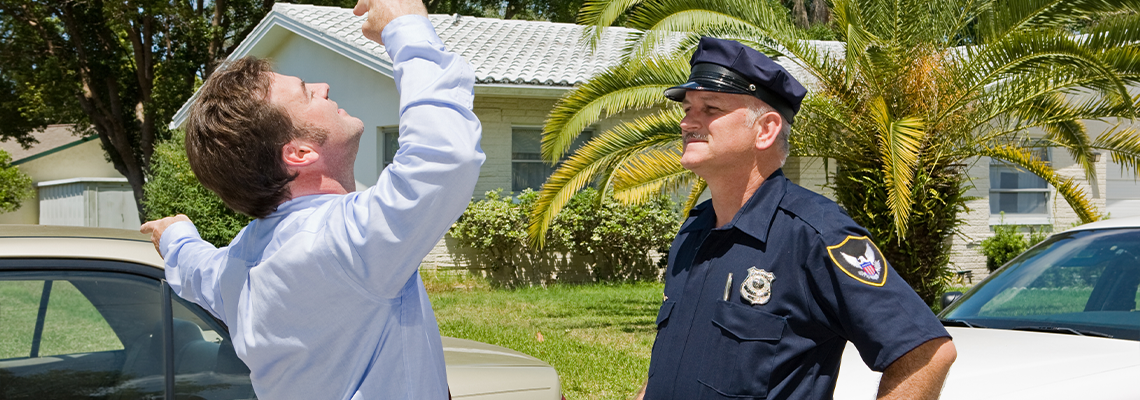
Field sobriety tests are roadside assessments used by law enforcement to check a driver’s physical coordination, balance, and attention. Although they’re widely used in DUI stops, many people don’t fully understand how subjective these evaluations can be. They rely heavily on officer observation, which introduces the risk of human error and bias.
The three standardized field sobriety tests most often used in Ft Lauderdale and throughout Florida include the Horizontal Gaze Nystagmus (HGN), Walk-and-Turn (WAT), and One-Leg Stand (OLS). Each test attempts to measure signs of impairment, but none can directly measure blood alcohol content.
Accuracy Problems With Common Tests
While prosecutors may treat field sobriety tests as reliable evidence, many studies show that their accuracy is far from perfect. Weather, uneven pavement, fatigue, medical conditions, nerves, and even footwear can impact test results. These factors often go unmentioned in police reports, even though they can drastically distort outcomes.
Horizontal Gaze Nystagmus (HGN)
The HGN test involves tracking eye movement to detect involuntary jerking. Many drivers don’t realize that even small movements or environmental distractions can influence what an officer sees. This means the results can be misleading long before they’re written into a police report. Although it’s presented as a scientific test, several problems affect its reliability:
Officers sometimes administer it incorrectly.
Certain medical or neurological conditions can create nystagmus unrelated to alcohol.
Passing vehicles, flashing lights, or wind can interfere with observation.
These issues raise significant doubts about whether the observations truly reflect impairment. Because of this, the HGN test is often among the most contested pieces of evidence in a DUI case. For many people, the HGN test is difficult to perform accurately, no matter their level of sobriety. Minor mistakes can lead to major assumptions.
Walk-and-Turn (WAT)
The WAT test requires a driver to walk heel-to-toe in a straight line, turn on one foot, and walk back. Many officers conduct this test on the roadside without considering how the surroundings can affect a driver’s balance and stability. As a result, people often appear impaired when they’re simply dealing with obstacles unrelated to alcohol, such as the following:
The ground isn’t level.
The driver is nervous or unsteady for reasons unrelated to alcohol.
Footwear restricts balance.
Instructions are unclear or rushed.
These factors can easily distort how someone performs, even when they’re completely sober. Small environmental or physical challenges often create the appearance of impairment, which can unfairly influence an officer’s judgment. Even sober drivers frequently struggle with this test because it requires coordination tasks that many people don’t perform daily.
One-Leg Stand (OLS)
The OLS test involves raising one foot six inches off the ground and holding the position. Officers watch for swaying, dropping the foot, hopping, or using arms for balance. Before judging the results, it’s important to remember that many people struggle with balance even under ideal circumstances. This test often leads to inaccurate conclusions due to:
Natural balance issues.
Age or weight-related limitations.
Injuries, chronic pain, or tight muscles.
Weather conditions or slick roads.
These challenges often have nothing to do with alcohol or drugs, yet they can heavily influence how a driver performs. Even slight discomfort or pressure during the stop can make someone appear unsteady, which may unfairly affect an officer’s interpretation. When we help clients challenge DUI allegations, we often look closely at these test conditions.
Factors That Influence Test Performance
Field sobriety tests might seem straightforward, but many outside factors can interfere with someone’s ability to perform them correctly. These influences don’t always appear in police reports, though they matter greatly. Human behavior isn’t predictable, and physical coordination varies dramatically from person to person. Some of the most common influences include:
Physical or medical limitations: Including knee, ankle, back, or balance issues, inner ear disorders, or age-related mobility changes.
Environmental conditions: Including uneven pavement or gravel, poor lighting, rain, wind, or slippery surface.
Emotional and psychological factors: Including stress, fear, or panic, confusion about instructions, or pressure from flashing lights or police presence.
External distractions: Including passing traffic, noise from roadside conditions, or the presence of passengers or bystanders.
These outside influences have nothing to do with alcohol or drugs, yet they can dramatically affect how someone performs during field sobriety tests. Recognizing these factors helps us challenge the way officers interpret performance and create a stronger defense for our clients. To discuss your situation with an experienced DUI attorney, contact DiRenzo Defense today.
How Officers Interpret Field Sobriety Tests
Officer interpretation plays a huge role in DUI investigations. Even when performed under ideal conditions, field sobriety tests rely on subjective judgment. Officers are trained to look for certain physical cues, but each cue can occur for totally innocent reasons. Reports often emphasize “clues” of impairment, but many people who perform poorly aren’t impaired at all. For example:
A person who sways might just be adjusting for uneven terrain.
Someone who misses a step could simply be nervous.
A driver who raises their arms may be compensating for pain or injury.
When helping clients, an experienced DUI attorney will review bodycam footage, audio recordings, location conditions, and officer instructions to spot inconsistencies or improper administration. These details can make or break a DUI case and are essential for presenting a well-rounded defense in court.
Speak With a Knowledgeable DUI Attorney Today
Field sobriety tests play a major role in DUI stops, but their accuracy and fairness are often questionable. If you or a loved one is dealing with a DUI investigation, you don’t have to face it alone. Help is available from an experienced lawyer who can help you understand your options, challenge unreliable evidence, and push back against assumptions unsupported by facts.
Many people find themselves facing DUI charges despite having legitimate reasons for struggling with these tests. At DiRenzo Defense, we work with clients in Fort Lauderdale, Pembroke Pines, Davie, and Pompano Beach who are facing DUI charges that include field sobriety tests. To discuss your situation with an experienced DUI attorney, contact us today.